
Sonic Calorie Calculator
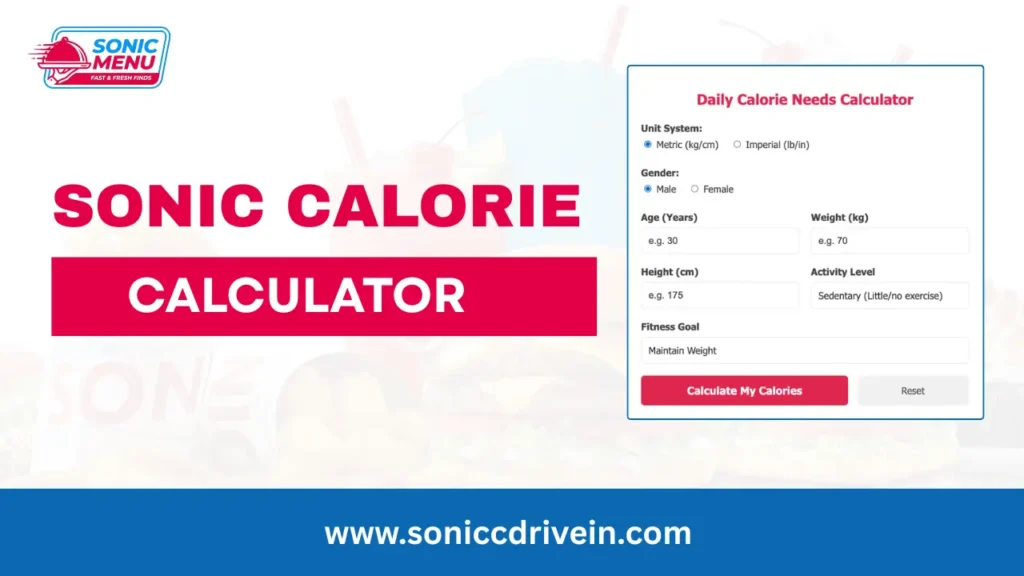
Daily Calorie Needs Calculator
Understanding calories is one of the simplest ways to take control of your health, yet it often feels confusing. A calorie calculator helps turn complex body data into clear daily numbers you can actually use. It shows how your age, body size, and daily movement affect the energy your body needs to function well.
Calories are not just numbers linked to weight. They fuel breathing, thinking, walking, and even sleep. When you know how much energy your body truly needs, you make smarter food choices without extreme dieting. This guide is built to help you understand calorie needs in a practical, real-life way, so you can build habits that support long-term health rather than short-term results.
How Many Calories Do You Need Daily?
Your daily calorie needs are not the same as anyone else’s. Your body uses energy every second, even when you are resting. This energy supports vital functions like heartbeat, breathing, digestion, and brain activity. On top of that, your movement throughout the day adds to your total energy demand.
Several factors shape this number in a very real way. Age matters because metabolism slowly changes over time. Body weight and height affect how much energy your body requires to maintain itself. Daily activity plays a major role too, whether you sit most of the day or stay physically active. Even small habits, like walking more or working long hours on your feet, can change your calorie needs.
Knowing your daily calorie requirement gives you a clear reference point. It helps you eat with purpose instead of guessing or following generic diet plans. When calorie intake aligns with your body’s actual needs, it becomes easier to maintain energy levels, manage weight, and support overall health in a sustainable way.
Daily Calorie Needs Calculator – How to Use This Tool
This calorie calculator is designed to be simple and practical, even if you are using it for the first time. Start by selecting your unit system. Choose metric if you are comfortable with kilograms and centimeters, or imperial if you prefer pounds and inches. This step ensures the calculator reads your body measurements correctly.
Next, select your gender and enter your age in years. Age plays a direct role in how your metabolism works, so accurate input here matters. After that, add your current weight and height. These values help estimate how much energy your body needs to perform basic functions like breathing, circulation, and temperature control.
Once your body details are entered, choose your activity level. If you spend most of your day sitting and do little or no exercise, select sedentary. This option adjusts the calculation based on how much energy you burn through daily movement. Then select your fitness goal, such as maintaining your current weight, so the result matches your intention.
After filling in all fields, click Calculate My Calories. The tool will instantly show your results, including your Basal Metabolic Rate (BMR), your maintenance calories, and your target daily intake. These values are calculated using the Mifflin-St Jeor equation, a widely trusted formula in nutrition science. You can also reset the form or share your results to track progress or discuss them with a health professional.
Key Formulas Used in Calorie Calculation
Behind every accurate calorie estimate, there is real science at work. This calculator does not rely on guesswork or generic averages. It uses proven metabolic formulas that are widely accepted in nutrition research and clinical practice. These formulas help translate your body data into meaningful daily energy needs.
The main foundation is your Basal Metabolic Rate, often called BMR. This represents the number of calories your body burns at rest to keep you alive. Even if you stayed in bed all day, your body would still use energy for breathing, blood circulation, organ function, and cell repair. BMR forms the core of your calorie calculation.
To make the results realistic, BMR is then adjusted based on your daily activity. This creates your Total Daily Energy Expenditure, or TDEE. TDEE reflects how lifestyle choices, work routine, and movement affect calorie burn. By combining these formulas, the calculator delivers results that are practical, personalized, and suitable for long-term health planning rather than short-term dieting.
Basal Metabolic Rate (BMR) and Total Daily Energy Expenditure (TDEE)
What is Basal Metabolic Rate (BMR) and why does it matter? BMR is the amount of energy your body needs to survive at complete rest. It powers essential functions like breathing, heart rate, brain activity, and cell repair. Even without movement, your body burns calories every moment, so understanding BMR gives you a realistic starting point for daily calorie planning.
How does activity change your calorie needs? This is where Total Daily Energy Expenditure, or TDEE, comes in. TDEE is calculated by adding your daily movement to your BMR. Walking, working, exercising, and even household tasks increase energy use. That is why two people with the same body size can need very different calorie intakes.
Why does this calculation lead to better results? When you base your intake on BMR and TDEE, you avoid extreme dieting and random eating patterns. You get a clear picture of how much energy your body truly needs each day. This approach supports steady progress, better energy levels, and long-term health instead of short-term fixes.
Calories by Goal
How do calorie needs change when your goal changes? Your daily intake depends on what you want to achieve with your body. When your goal is to maintain weight, your calorie intake matches your Total Daily Energy Expenditure. This balance helps keep your weight stable while supporting normal body functions and daily energy levels.
What happens when the goal is weight loss? In this case, calorie intake is set slightly below your maintenance level. This creates a controlled calorie deficit that encourages fat loss without stressing the body. A small and steady deficit helps protect muscle mass and keeps metabolism functioning properly.
How does calorie intake work for weight gain? To gain weight in a healthy way, your body needs more energy than it burns. A moderate calorie surplus supports muscle growth, recovery, and strength when combined with proper nutrition. Choosing the right calorie target ensures progress without unnecessary fat gain or discomfort.
Minimum Daily Calories Needed
What is the minimum number of calories your body needs to function safely? Your body requires a certain level of energy each day to support vital organs like the heart, brain, and lungs. Dropping below this minimum can slow metabolism and affect hormone balance, which may lead to fatigue and weakness over time.
Why is eating too few calories a problem? When calorie intake stays very low, the body shifts into a protective mode. It tries to conserve energy by reducing metabolic rate and muscle mass. This can make weight loss harder and increase the risk of nutrient deficiencies, hair loss, and poor concentration.
How can you find a safe lower limit for calories? A reliable estimate comes from your Basal Metabolic Rate combined with your lifestyle needs. Staying close to this limit ensures your body receives enough energy to function properly while still supporting health goals. Safe calorie planning focuses on nourishment, not deprivation.
Calorie Deficit for Weight Loss
What exactly is a calorie deficit and why is it important? A calorie deficit happens when you consume fewer calories than your body burns in a day. This forces your body to use stored fat for energy, which leads to gradual and sustainable weight loss. It’s the cornerstone of healthy fat reduction.
How much of a deficit is safe? Experts recommend a moderate deficit that supports steady weight loss without harming your metabolism. Cutting too many calories too quickly can backfire, causing muscle loss, nutrient deficiencies, and fatigue. A controlled deficit balances energy intake with your body’s actual needs.
Why does understanding your deficit help results? Knowing the exact number of calories your body requires makes it easier to plan meals, track progress, and avoid guesswork. This approach encourages long-term success by helping you lose weight steadily while maintaining energy and overall health.
Zigzag Calorie Cycling
What is zigzag calorie cycling and how does it work? Zigzag calorie cycling is a method where you alternate your daily calorie intake instead of eating the same amount every day. For example, you might eat slightly more calories on active days and fewer on rest days. This keeps your metabolism flexible and can prevent plateaus in weight management.
Why do some people prefer calorie cycling over a steady deficit? Constantly eating the same number of calories can slow metabolism over time. Zigzag cycling introduces variety, making it easier to stick to your plan while still creating an overall calorie deficit for fat loss.
How can you apply this method safely? Start by tracking your TDEE and adjusting daily intake around activity levels. High-activity days allow for more calories, while low-activity days require fewer. This approach supports sustainable fat loss, protects muscle mass, and keeps your energy levels stable.
Calories: Different Types and Their Effects
What are the different types of calories and why do they matter? Not all calories are created equal. Calories come from carbohydrates, proteins, and fats, and each affects your body differently. For example, protein calories support muscle repair and satiety, while fat calories are dense energy sources, and carbohydrate calories provide quick fuel for activity.
How do these differences impact your health? Eating primarily nutrient-dense calories from whole foods supports energy, hormone balance, and overall wellness. In contrast, calories from highly processed foods may lead to energy crashes, poor digestion, and excess fat storage.
Why understanding calorie types helps in daily planning? When you know how different foods influence your body, you can make smarter choices. Balancing protein, fat, and carbohydrates ensures your meals fuel activity, support metabolism, and promote long-term health without unnecessary restriction.
Energy from Common Food Components
How does your body get energy from food? Every meal contains macronutrients, carbohydrates, proteins, and fats, that provide calories in different amounts. Carbohydrates and proteins provide roughly 4 calories per gram, while fats supply about 9 calories per gram. Understanding these values helps you see how different foods contribute to your daily energy needs.
Why does knowing this matter for your diet? Not all calories are equal in how they affect fullness, metabolism, and energy levels. For instance, protein-rich foods keep you satisfied longer, while high-fat foods provide concentrated energy. Carbohydrates fuel immediate activity and brain function.
How can this guide your meal planning? By tracking which macronutrients make up your calories, you can create balanced meals that support weight goals, maintain energy throughout the day, and promote overall health. This knowledge allows smarter food choices rather than just counting numbers.
Calories in Common Foods
Which foods contribute most to your daily calorie intake? Everyday items like bread, rice, fruits, vegetables, meat, and dairy all add up differently. Knowing their calorie content helps you plan meals that match your energy needs without over- or under-eating.
Why is this information useful for weight management? When you understand how many calories are in the foods you eat, you can make smarter swaps and portion adjustments. For example, choosing a handful of nuts instead of a sugary snack provides lasting energy and essential nutrients while controlling calorie intake.
How can you use this knowledge in daily life? Start by familiarizing yourself with common calorie counts and combining foods thoughtfully. Balancing high-calorie and low-calorie options allows you to meet your energy goals, stay satisfied, and maintain healthy eating habits consistently.
2000, 1500, and 1200 Calorie Sample Meal Plans
What does a day of eating look like at different calorie levels? Sample meal plans show how you can meet your energy needs with balanced nutrition. A 2000-calorie plan might suit someone moderately active, while 1500 or 1200-calorie plans are often used for gradual weight loss under professional guidance.
Why are sample meal plans helpful? They provide practical examples of portion sizes, meal timing, and macronutrient balance. Seeing a structured plan makes it easier to translate calorie numbers into real meals without guesswork.
How can you adapt these plans for your lifestyle? Use them as a guide rather than a strict rule. Adjust servings, swap foods for similar alternatives, and align meal timing with your activity levels. This approach ensures that calorie goals are met while keeping meals enjoyable and sustainable.
Calories Burned from Common Exercises
How many calories do you actually burn during physical activity? Every movement, from walking and cycling to strength training, requires energy. The number of calories burned depends on your body weight, intensity, and duration of the exercise. Understanding this helps you balance intake and output effectively.
Why track exercise calories alongside food? Knowing how much energy you expend allows you to adjust meals to support your goals. For instance, more active days may require slightly higher calorie intake to fuel performance and recovery, while rest days might need less.
How can you use this information in daily life? Start by estimating calories burned for your regular activities. Combine this with your daily calorie needs to create a personalized plan that supports weight maintenance, fat loss, or muscle gain without extreme restriction or overfeeding.
Food Energy Conversion Calculator
How can you compare calories from different foods easily? A food energy conversion calculator helps you convert calories into kilojoules or vice versa. This is especially useful if you read nutrition labels from international products or want a precise understanding of the energy your meals provide.
Why is this tool important for understanding nutrition? Calories alone don’t always give the full picture. Converting to kilojoules or breaking down energy by macronutrient content allows you to see how much energy comes from carbohydrates, proteins, and fats. This deeper insight helps in making balanced food choices.
How can you use this calculator in everyday life? Enter the calories of your food items and see the equivalent energy in kilojoules. Use this information to plan meals, track energy intake, and make adjustments based on your activity level or fitness goals. It’s a practical way to ensure your energy intake aligns with your body’s needs.
How to Reduce Calorie Intake (Healthy Tips)
What are simple ways to reduce calories without feeling hungry? Small, mindful changes in your daily eating habits can make a big difference. Swapping sugary drinks for water, choosing whole grains over refined carbs, and including more vegetables in meals are practical steps that lower calorie intake while keeping you satisfied.
Why focus on gradual changes instead of strict dieting? Extreme calorie restriction can slow metabolism, increase cravings, and make it harder to stick to your plan. Making sustainable adjustments helps your body adapt, supports long-term weight management, and improves overall health.
How can you apply these tips in real life? Start by tracking what you eat for a few days to identify high-calorie habits. Then implement one or two small changes at a time, like reducing portion sizes or replacing high-calorie snacks with nutrient-dense alternatives. Over time, these habits create lasting results without feeling restrictive.
Common Calorie Counting Mistakes
What mistakes do people often make when counting calories? One common error is underestimating portion sizes. Even healthy foods can add up quickly if servings are larger than expected. Another frequent mistake is ignoring liquid calories, such as sodas, coffee drinks, or alcohol, which can contribute significant energy without feeling filling.
Why do these mistakes affect your results? Misjudging calories can stall weight loss, lead to unintentional weight gain, or cause frustration when results don’t match expectations. Over-restricting calories is also a mistake, as it can slow metabolism and create nutrient deficiencies.
How can you avoid these pitfalls? Measure portions when possible, track beverages, and include all foods in your daily count. Using a structured approach ensures accuracy, helps maintain steady progress, and builds awareness about how different foods and habits impact your calorie balance.
Is Calorie Counting Right for Everyone?
Can everyone benefit from counting calories? While calorie tracking is a powerful tool for many, it isn’t necessary for everyone. Some people naturally maintain a healthy weight with intuitive eating, while others may find strict tracking stressful or unsustainable.
Why consider your lifestyle and preferences? The best approach to nutrition is one you can maintain long-term. For some, using a calorie calculator occasionally for awareness is enough, while others may benefit from consistent tracking to reach specific goals like weight loss, muscle gain, or managing medical conditions.
How can you decide if it’s right for you? Evaluate your goals, habits, and how you respond to tracking. If calorie counting motivates you, improves food choices, and fits your daily life without stress, it can be a helpful tool. Otherwise, focusing on balanced meals and portion awareness may achieve similar results in a less structured way.
Final Thoughts
Why understanding calories matters for long-term health? Knowing how many calories your body needs and where they come from empowers you to make smarter food choices. It helps you fuel daily activities, support weight goals, and maintain energy without extreme dieting.
How can you turn this knowledge into action? Use the calorie calculator and related tools as guides, not rules. Focus on balanced meals, monitor your progress, and adjust based on your lifestyle and activity. This approach encourages consistency, sustainable habits, and a healthier relationship with food.
By learning about calorie types, energy from food, and how exercise affects your needs, you gain control over your health in a practical, science-based way. With patience and awareness, managing calories becomes a supportive tool for long-term wellness rather than a stressful obligation.
Frequently Asked Questions
1. What is the unhealthiest thing at Sonic?
The unhealthiest items are typically those high in calories, saturated fats, and added sugars, like the SuperSONIC Bacon Double Cheeseburger with tots and a large shake. Using a calorie calculator can help you see just how much energy this combo contains compared to your daily needs.
2. What is the highest calorie item at Sonic?
The SuperSONIC Double Cheeseburger with large tots and a large drink ranks among the highest calorie items. It can exceed 2,000 calories in one meal, almost an entire day’s requirement for many adults. Plugging these numbers into a calorie calculator helps you understand its impact.
3. What is the healthiest breakfast at Sonic?
Healthier breakfast options include items like the Breakfast Toaster or Egg & Cheese Breakfast Burrito with fruit or a small drink. Tracking calories and macronutrients using a calorie calculator can show you how these options fit into your daily plan.
4. How many calories are in a small order of fries from Sonic?
A small order of fries contains about 310 calories. You can use a calorie calculator to combine this with your other meals to ensure you stay within your daily target.
5. Which is healthier: soft serve or ice cream?
Soft serve generally has fewer calories and fat than premium ice cream, but sugar content can be similar. Use the food energy conversion calculator to compare options and see which fits your daily allowance.
6. What’s the best thing to eat from Sonic?
The “best” depends on your goals. For balanced nutrition, lean protein sandwiches, fruit cups, and smaller portion drinks are smart choices. A calorie calculator helps you balance taste with your daily energy needs.
7. Does Sonic have a secret menu for breakfast?
Yes! Sonic has a few secret breakfast items like French Toast Sticks with syrup or specialty burritos. Use a calorie calculator to estimate their impact before trying them.
8. What are the sugar-free options at Sonic?
Sonic offers sugar-free drinks like diet sodas and sugar-free flavor syrups for slushes. Using a calorie calculator or energy tracker can show how these drinks fit into your daily plan without adding extra sugar calories.
9. What not to get at Sonic?
Items extremely high in calories, fat, or sugar, like large shakes, SuperSONIC combos, or deep-fried loaded tots, are best avoided if your goal is balanced nutrition.
10. What is officially the unhealthiest fast food chain?
While this can vary by region, many studies list chains high in calories, sodium, and saturated fat, often including large-menu fast-food chains like Sonic, McDonald’s, and Burger King. Use a calorie calculator to compare menu items objectively.
11. Are Sonic fries healthy?
Sonic fries are tasty but high in calories, sodium, and fat. Enjoying them occasionally is fine, but tracking portion sizes and calorie content is key to staying within daily limits.
12. What is the most unhealthy ice cream?
Premium or large dessert shakes like the Oreo or Peanut Butter Shake are among the highest-calorie ice creams, often exceeding 1,000 calories.
13. Which is the healthiest dessert to eat?
Healthier dessert options include vanilla soft serve in a small cup or fruit-based options. Using a calorie calculator can show how even a small treat fits into your day.
14. Is Dole Whip healthier than ice cream?
Yes, Dole Whip is lower in calories and fat than most traditional ice creams and shakes. However, sugar content can still be high, so it’s best to track it if you are counting calories.